Plan Local Cinema Nights With Ease for Every Group
Introduction
Planning a community screening can sound like a small project until schedules, ticket costs, film choices, and snack logistics begin multiplying. A little structure turns that chaos into a relaxed evening people actually enjoy. With the right venue, timetable, communication plan, and backup options, local movie events become simple to organize and easy to repeat.
Advertisement
Start With the Audience
The best way to plan local cinema nights with ease is to begin with the people who will attend. A family audience may prefer animation, adventure, or a gentle classic, while students might choose a cult favorite, documentary, or recent independent release. Neighborhood groups often appreciate films connected to local history, culture, or shared interests. A quick poll through email, social media, or a community noticeboard can reveal useful preferences without turning the decision into a town-hall epic. Ask about preferred dates, age suitability, language, accessibility needs, and whether guests favor a single feature or a double bill. Clear feedback gives the event a purpose and prevents the dreaded situation where the organizer loves the film and everyone else politely studies the snack table.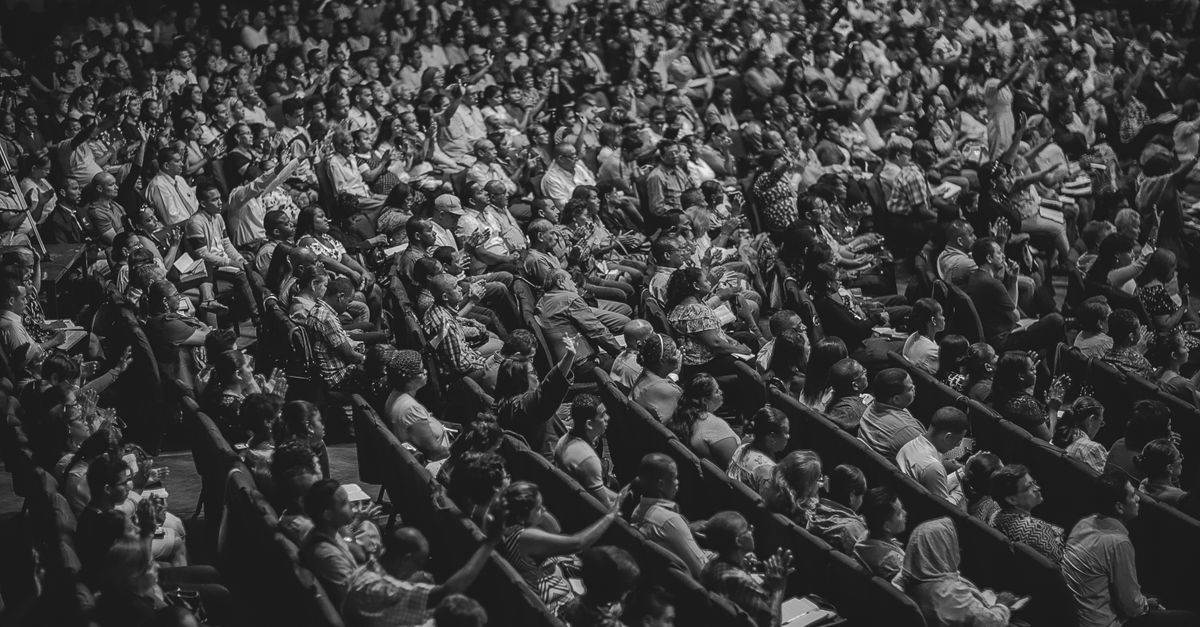
Advertisement
Choose a Practical Venue
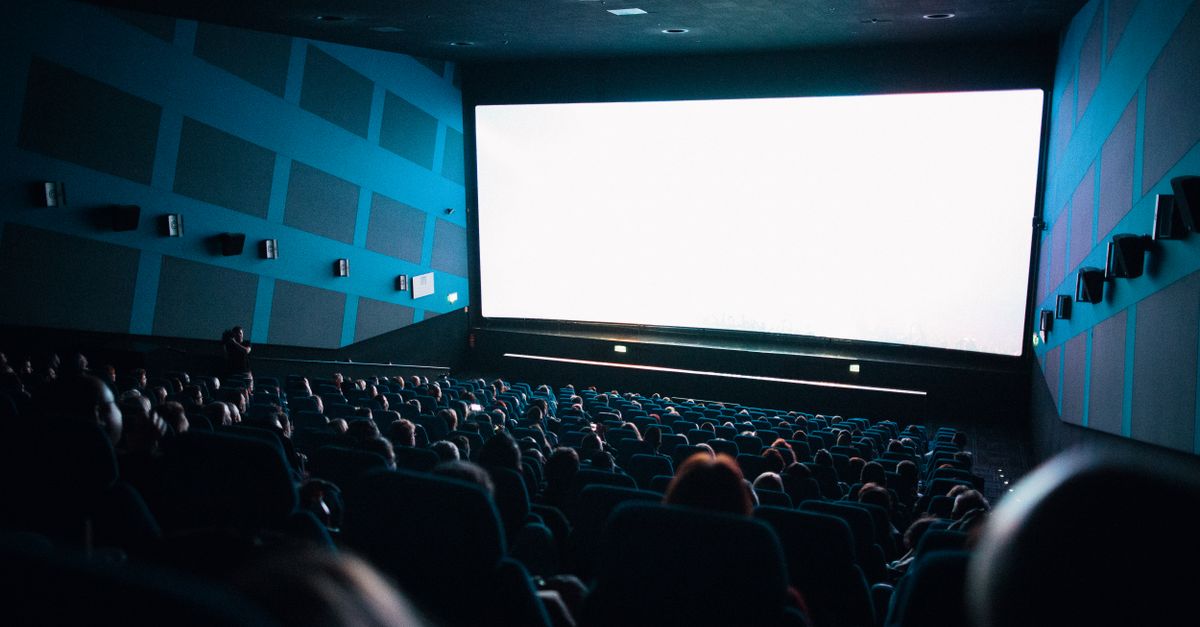
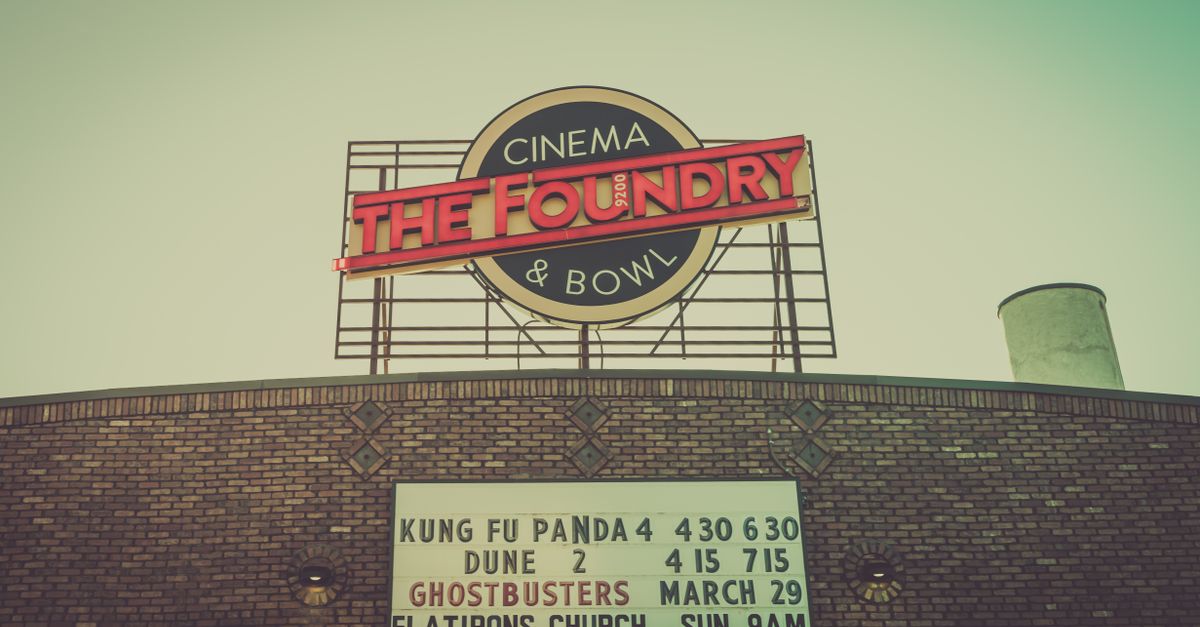
Venue selection determines much of the evening’s comfort and cost. A traditional cinema offers excellent projection, sound, seating, and staff support, but a library, arts center, school hall, community center, or outdoor courtyard may provide a more personal atmosphere. When comparing locations, check screen size, projector quality, speaker placement, seating capacity, ventilation, restroom access, parking, and public transport links. Accessibility should be considered from the beginning, including step-free entrances, wheelchair spaces, captioning options, and seating for guests who need extra room. For outdoor events, investigate lighting, power supplies, weather protection, neighborhood noise rules, and a sheltered alternative. A charming venue is wonderful, but not if half the audience must watch from behind a decorative pillar.
Advertisement
Build a Realistic Budget
A simple budget keeps enthusiasm from wandering into financial fog. List every likely expense, including venue hire, film licensing, equipment rental, staff, insurance, cleaning, advertising, refreshments, printing, and contingency funds. If admission is free, consider sponsorship from local businesses, cultural grants, donations, or a pay-what-you-can model. If tickets are charged, keep the price transparent and explain what it supports. It is also useful to separate essential costs from attractive extras. A reliable projector matters more than themed napkins, and comfortable seating matters more than an elaborate photo backdrop. Plan local cinema nights with ease by setting a spending limit before making promises, then reserve approximately ten percent for surprises such as replacement cables, last-minute transport, or a rain-related venue change.
Advertisement
Handle Film Rights Properly
Showing a film publicly is different from watching it at home, even when no money changes hands. Organizers should identify whether the chosen title requires a public performance license and confirm the terms with the distributor, licensing agency, venue, or rights holder. Streaming subscriptions and personal discs may not cover public screenings. Keep written records of permissions, fees, permitted dates, audience limits, and any restrictions on advertising the title. This step protects the event and demonstrates respect for filmmakers, producers, and distributors. It can also influence film selection, since some titles are easier or less expensive to license than others. A little paperwork is considerably less dramatic than receiving an unpleasant letter after the credits roll.
Advertisement
Create a Clear Schedule
A well-designed schedule makes the event feel calm before the first frame appears. Allow time for setup, equipment testing, guest arrival, ticket collection, introductions, announcements, and any interval. Doors opening thirty minutes before the screening usually gives people enough time to find seats and buy refreshments without creating a bottleneck. Keep introductions brief, especially if the audience has already spent the day working, commuting, or negotiating with children. For a discussion or question-and-answer session, decide whether it will happen before the film, afterward, or during a planned interval. When organizers plan local cinema nights with ease, they treat timing as part of the audience experience rather than an invisible spreadsheet problem.
Advertisement
Promote the Event Clearly
Good promotion answers the questions guests are most likely to ask: what is showing, when and where it starts, who it suits, how much it costs, how to reserve a place, and what accessibility arrangements are available. Use a consistent title, image, description, and contact method across posters, newsletters, social platforms, websites, and community groups. Mention the running time and whether refreshments are available. If the film is a surprise, describe its genre, themes, age rating, and general tone without giving away the identity. Encourage early reservations when seating is limited, but keep a waiting list for cancellations. A reminder several days before the event can reduce no-shows and help attendees arrive prepared rather than sprinting through the doors as the opening logo begins.
Advertisement
Prepare Equipment and Refreshments
Technical preparation deserves its own checklist. Test the projector with the actual film file or disc, confirm the correct aspect ratio, check subtitle readability, and listen for sound distortion from every major seating area. Bring compatible cables, adapters, extension leads, spare batteries, and a backup playback option. If the venue uses unfamiliar equipment, schedule a rehearsal rather than relying on optimistic button pressing. Refreshments should be easy to serve, quiet to eat, and suitable for common dietary needs. Popcorn is traditional, but fruit, packaged snacks, water, and clearly labeled alternatives make the offering more welcoming. Avoid foods with strong aromas or noisy wrappers unless the goal is to create a second soundtrack.
Advertisement
Make the Experience Welcoming
Atmosphere matters, but it does not require a lavish production. Friendly greeters, clear signs, comfortable lighting, and an obvious help point can make unfamiliar guests feel at home. Offer reserved seating or an early-entry option for people who need additional time. Keep aisles clear, manage volume levels carefully, and ensure announcements can be heard by everyone. A short introduction can connect the film to the neighborhood, a charity, a school project, or a cultural theme, giving the screening a sense of occasion. Afterward, invite informal feedback through a quick conversation or short survey. The goal is not to manufacture a red-carpet spectacle; it is to create a shared evening that feels thoughtful, relaxed, and worth remembering.
Advertisement
Use Feedback for the Next Event
Every screening produces useful information, including attendance patterns, ticket sales, popular refreshments, technical hiccups, and comments about the venue. Record these details while they are still fresh. Note which promotional channels generated reservations, how early guests arrived, whether the film length suited the audience, and which costs exceeded expectations. Feedback does not need to become a lengthy research project. Three questions can be enough: What worked well? What should change? What would you like to see next time? Repeating successful elements while adjusting weak ones gradually creates a dependable event series. When organizers plan local cinema nights with ease, they are usually benefiting from lessons gathered during previous evenings, not from possessing supernatural administrative powers.
Advertisement
Conclusion
Successful community screenings rely on thoughtful audience research, a suitable venue, a realistic budget, proper film permissions, and careful technical preparation. Clear promotion, accessible arrangements, welcoming hospitality, and sensible scheduling help guests enjoy the event from arrival to closing credits. Recording feedback then turns one enjoyable gathering into a stronger and more efficient series of future screenings.
Advertisement