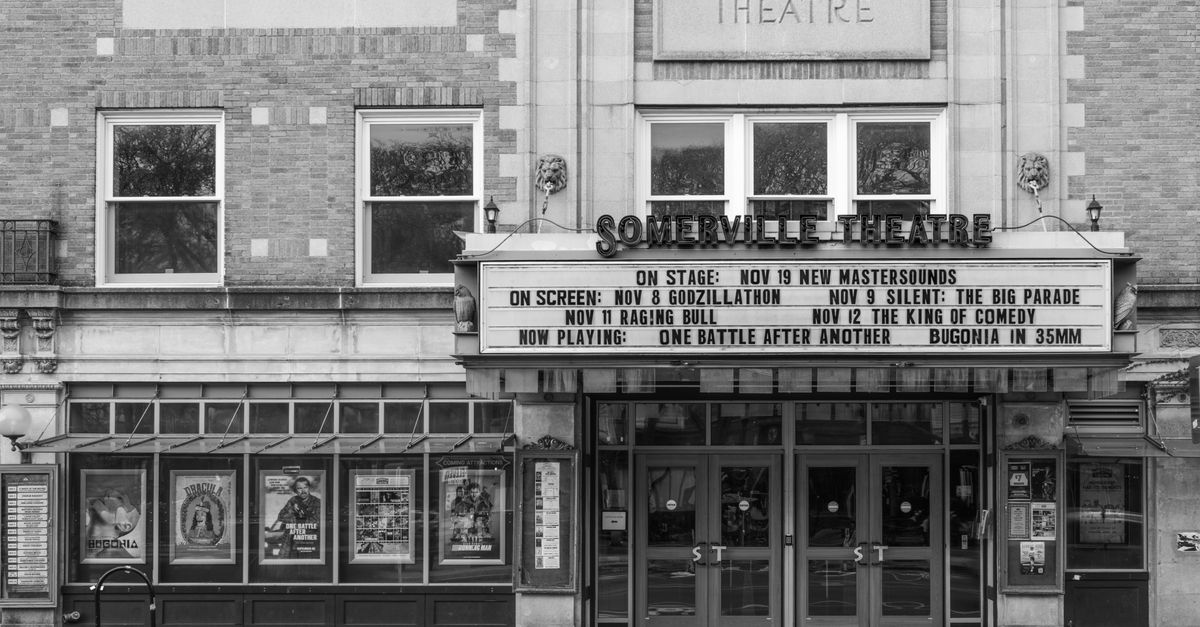
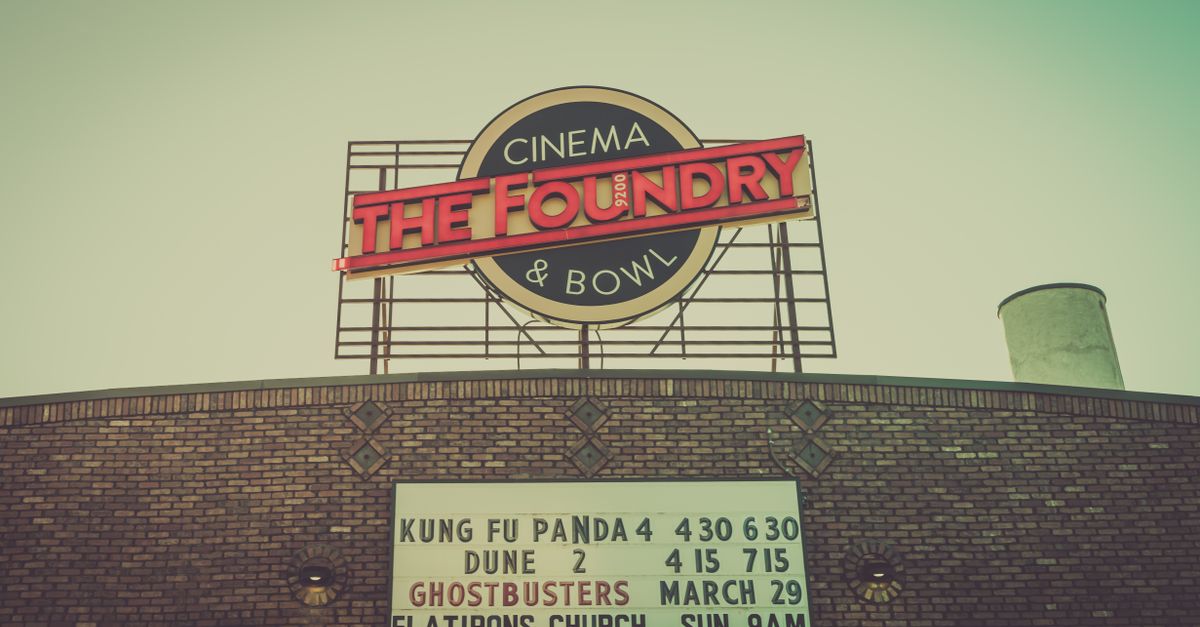
Plan Better Nights With Modern Cinema Event Guides
Introduction
Finding the right film at the right time should feel simple, yet scattered schedules, changing prices, and special events can turn a casual outing into detective work. Movie Showtimes Events Listings bring screenings, formats, venues, and useful timing details into one practical view, helping audiences plan confidently without sacrificing spontaneity or snacks.
Advertisement
Why Clear Listings Matter
Movie Showtimes Events Listings do more than display starting times. They help people compare cinemas, identify suitable dates, and understand what each screening offers before committing to a journey. A listing may reveal whether a film is shown in an original language, presented with subtitles, or available in a premium format. It can also distinguish regular screenings from previews, marathons, anniversary presentations, and director discussions. That extra context saves time and prevents common disappointments, such as arriving for the wrong version of a film or discovering that the last showing ended before the train home departed.
Advertisement
The Information Audiences Need
The most useful Movie Showtimes Events Listings are detailed without becoming cluttered. Each entry should clearly state the film title, cinema, date, start time, running time, auditorium, and presentation format. Accessibility information is equally valuable, including captioned sessions, audio description, step-free access, and relaxed screenings. Prices, booking fees, age classifications, and ticket restrictions should be easy to find rather than hidden behind several clicks. When these details appear together, audiences can make sensible comparisons instead of treating every cinema visit like a small research project with a popcorn budget.
Advertisement
Comparing Venues and Travel Times
A film showing at seven o’clock may sound ideal until travel time, parking, queues, and the length of the advertisements are considered. Good Movie Showtimes Events Listings support practical planning by showing venue locations and, where possible, transport or parking information. This is particularly helpful in cities with several branches of the same cinema chain. A nearby independent cinema might offer a quieter experience, while a multiplex may provide more times and larger screens. Comparing these differences allows audiences to choose based on convenience, atmosphere, price, or picture quality rather than habit alone.
Advertisement
Formats, Features, and Special Presentations
Not every screening delivers the same experience. Standard digital projection may suit a relaxed weekday visit, while large-format screens, laser projection, 3D, motion seating, and premium sound can make a major release feel more immersive. Movie Showtimes Events Listings should explain these labels in plain language, because abbreviations are not automatically informative. Special presentations deserve similar care. A repertory classic, fan celebration, live concert broadcast, or film festival entry may have different start times, ticket rules, and audience expectations from a normal screening. Clear descriptions help people buy the experience they actually want.
Advertisement
Planning Around Real Life
Schedules work best when they acknowledge that audiences have lives outside the auditorium. Families may need early sessions and child-friendly policies, while commuters may prefer screenings near a station. Couples might look for consecutive films, and dedicated fans may want to build an entire weekend around a festival. Movie Showtimes Events Listings make these choices easier when they support filters for date, location, format, language, accessibility, and event type. Calendar tools, reminders, and seat maps add further convenience, turning an intention to see a film into a realistic plan that survives ordinary life.
Advertisement
The Value of Accurate, Timely Updates
Cinema schedules can change because of technical problems, distributor decisions, sold-out sessions, or unexpected event additions. For that reason, reliable listings should display when information was last updated and direct audiences to official booking pages where final details can be confirmed. Accuracy matters especially for one-off screenings, which cannot easily be replaced by another session tomorrow. Clear cancellation notices and refund guidance also build trust. No one enjoys reaching a cinema only to learn that the advertised screening has quietly vanished into the mysterious fog where missing socks and remote controls reside.
Advertisement
Making Listings Easier to Use
Good design is not decorative; it is functional. Search tools should tolerate simple differences in spelling, while filters should remain visible and easy to reset. A clean layout can separate films from live events, highlight sold-out sessions, and show whether seats are available. Mobile-friendly pages are essential because many people check schedules while travelling or standing outside a cinema deciding whether to stay out for one more film. Accessible contrast, readable text, keyboard navigation, and clear labels make the service more useful to everyone, including people who do not navigate digital platforms effortlessly.
Advertisement
How Audiences Can Plan More Wisely
Audiences can get more from Movie Showtimes Events Listings by checking the full entry rather than relying only on a headline time. Confirm the venue, format, language, age rating, and expected finish time before booking. It is wise to allow a buffer for travel and advertising, particularly when another appointment follows. For popular releases and limited events, booking early may be sensible; for ordinary weekday screenings, waiting can reveal discounts or better seat availability. Keeping a short list of preferred cinemas also makes spontaneous decisions faster without turning them into guesswork.
Advertisement
Conclusion
Movie Showtimes Events Listings make cinema planning clearer by combining times, venues, formats, accessibility details, and event information in one place. Their real value lies in accuracy, useful filters, plain language, and updates that reflect changing schedules. With better information, audiences can choose screenings that fit both their interests and their everyday lives, leaving more energy for the film itself—and perhaps a strategically oversized box of popcorn.
Advertisement