Mastering the Art: Harmonic Cinema Navigators Guide
Introduction
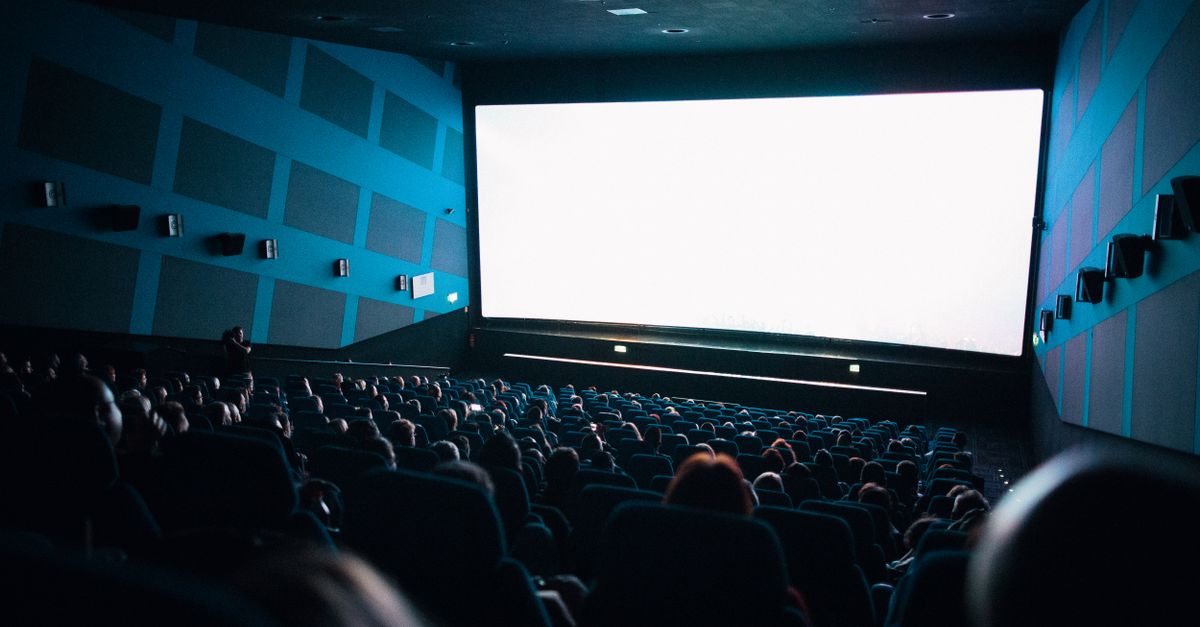
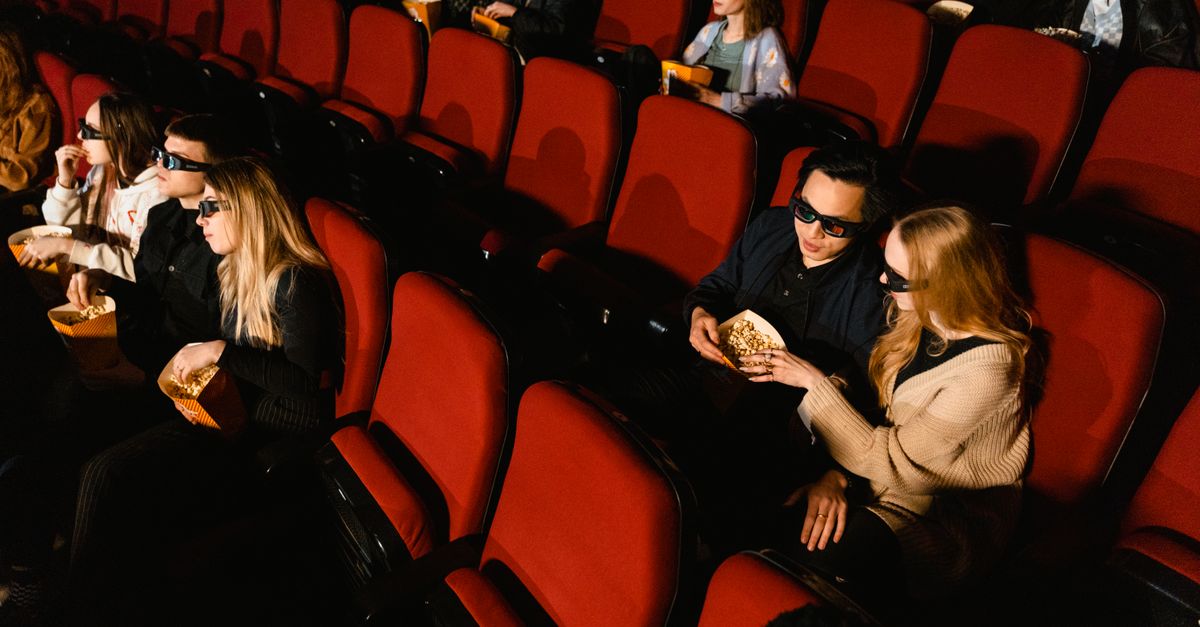
In cinema, every frame paints a story, and audiences play the maestro guiding harmonic cinema into resonance. With senses and emotions, they sculpt the narrative, turning scenes into symphonies. As viewers, they wield the unique capability of shaping cinematic experiences, making each film as distinctive as the person perceiving it.
Advertisement
The Role of Audience Engagement
Cinema isn't born in a vacuum; it flourishes with the audience. Just like a musician seeking harmony with their instrument, film directors rely on viewers to orchestrate emotional crescendos and diminuendos. Audience engagement is essential, as it not only helps refine the narrative flow but also sets the tone for cultural dialogues and explorations.
Advertisement
Creating Emotional Resonance
The genuine magic of movies lies in their ability to stir hearts. Film-makers orchestrate scenes as harmonic notes, evoking myriad emotions. When audiences connect with these emotions, it creates a ripple effect. Whether it’s laughter in a comedy or edge-of-the-seat tension in a thriller, emotional resonance is the glue binding stories to their spectators.
Advertisement
Audience Interpretation: A Unique Lens
Every viewer offers a fresh pair of eyes to the screen, bringing personal lenses shaped by their history, culture, and worldview. This means each cinematic experience can differ significantly from person to person. With films like 'Inception,' audiences navigate complex narrative layers, each layer unlocking yet another interpretation.
Advertisement
The Symphony of Film Elements
Visual aesthetics, sound design, storytelling, and character arcs compose a film's harmonic overture. Audiences navigate and master these elements, each contributing to the evocative power of a movie. The synergy of soundtracks with scenes can mimic a symphony’s ebb and flow, while set designs paint visual melodies.
Advertisement
Navigating the Paths of Genre
Different cinematic genres serve as pathways through which audiences explore diverse storytelling realms. From the gleeful riffs of animated features to the soul-stirring ballads of romantic dramas, navigating genres involves understanding their distinct elements— each genre possessing its rhythm and cadence, enriching viewer’s harmonic navigation.
Advertisement
Interactive Cinema – A New Frontier
Thanks to technology, the once passive cinematic experience is evolving. Interactive films enable audiences to decide plots or character destinies, cementing them firmly in the director's seat. With this evolution, cinema navigators take on a novel role, becoming vital participants rather than just passive viewers, deepening the narrative engagement.
Advertisement
Conclusion
In the captivating world of cinema, viewers emerge as harmonic navigators, each bringing their unique interpretation to films. Like co-creators, audiences shape narratives, crafting stories as dynamic as the characters depicted on screen. As the curtain drops, it becomes clear: cinema is not merely a medium but a harmonic playground fueled by the countless perspectives of those who dare to see through its lens.
Advertisement