Journey Through the Magic of Harmonic Cinema
The Unseen Symphony of Silver Screens
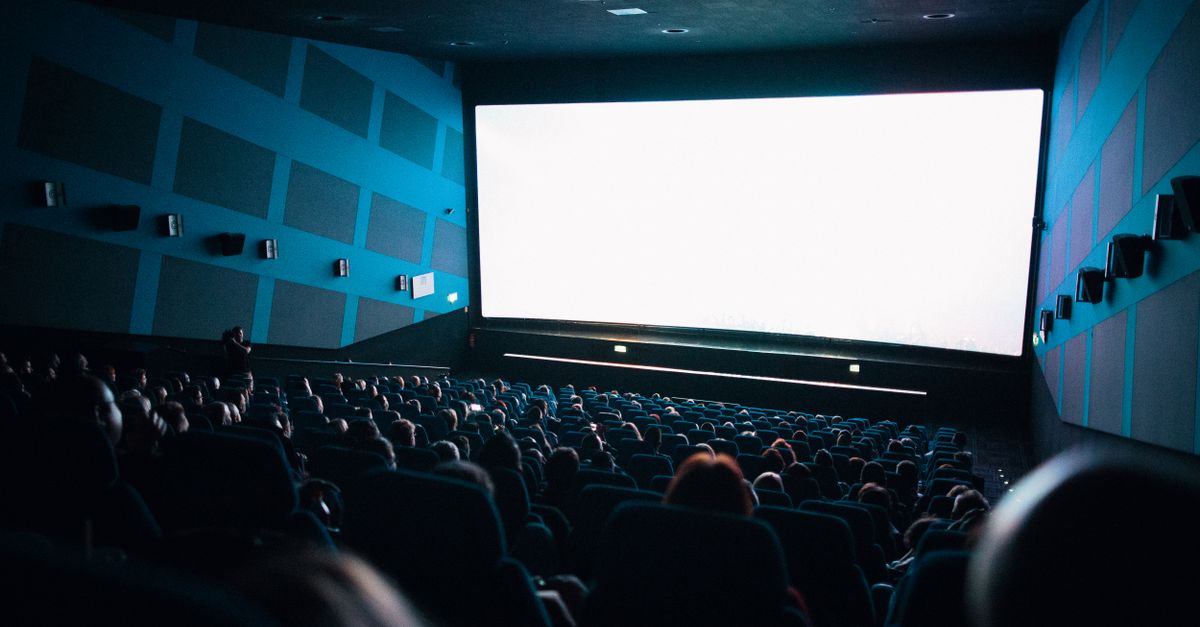
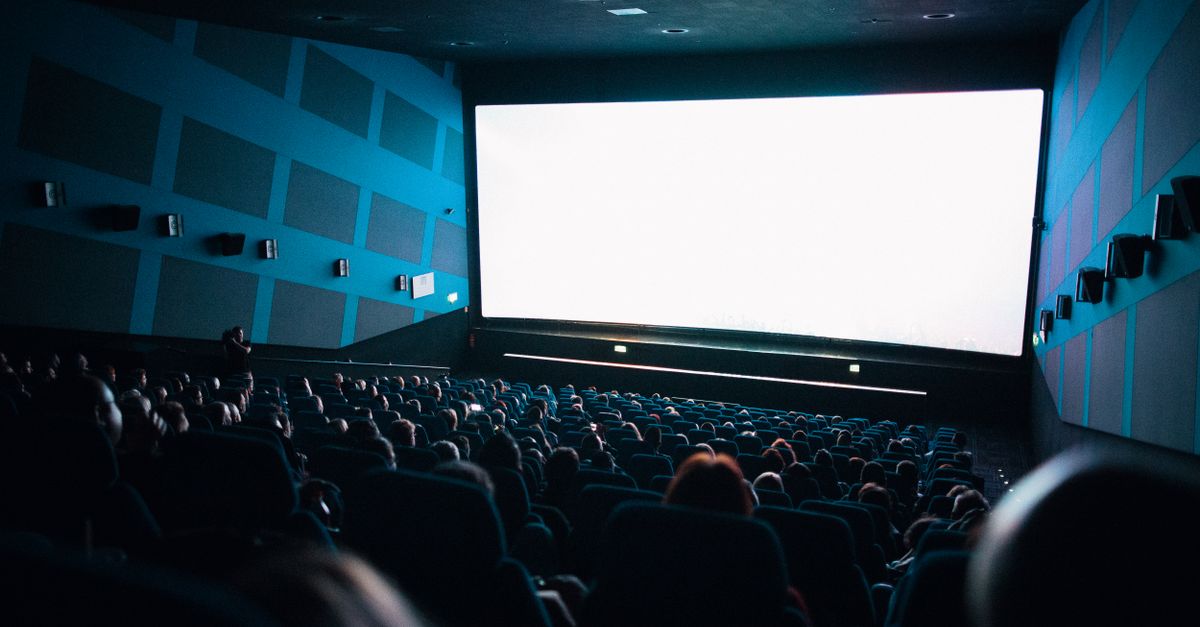
Discover Harmonic Cinema Treasures as we dive into a world where film and music converge into an exquisite art form. This captivating blend transports audiences to new emotional heights, weaving visual storytelling with resonant melodies to create unforgettable cinematic experiences.
Advertisement
A Brief History Lesson
Harmonic cinema, a phrase that encapsulates the perfect symbiosis of film and music, has roots tracing back to the silent era. The absence of spoken dialogue made soundtracks essential, wielding music as their voice. Silent films like Charlie Chaplin's “The Kid” demonstrated music's potential as a powerful narrative force, ensuring viewers were always on the edge of their seats.
Advertisement
The Role of the Score
The real treasure of harmonic cinema lies in its ability to evoke emotional resonance. A film's score transcends mere background noise. It breathes life into otherwise static images, as heard in the iconic orchestral swells of John Williams’ compositions. Whether it's the sinister undertones of Darth Vader's theme or the hopeful notes in “Jurassic Park,” these scores anchor the emotions imprinted on viewers.
Advertisement
The Composers Behind the Magic
What would harmonic cinema be without its maestros? Composers like Hans Zimmer, with his ingenious use of electronic sound, have reinvented cinematic music. Zimmer's score for "Inception" manipulates emotions with its complex sound patterns, shaping the dream-like narrative. Each note played is both intentional and pivotal, carving a unique space within cinematic history.
Advertisement
Soundtracks and Their Stars
Soundtracks often captivate audiences with familiar melodies, echoing the emotional thrust of films. Consider Celine Dion's “My Heart Will Go On,” a track as ingrained in “Titanic” lore as Jack and Rose. These musical jewels seamlessly integrate into the narrative framework, underscoring pivotal themes and enhancing human connections.
Advertisement
Marvels Without Sounds
While soundtracks are critical, understanding harmonic cinema treasures also means appreciating films where silence speaks volumes. The Coen Brothers’ "No Country for Old Men" notably employed minimal music, enabling ambient sounds to cast an eerie atmosphere. It’s a bold move that reinforces the story’s tense undertones, proving music's role isn't always necessary to heighten drama.
Advertisement
Cultural Contexts Reflected
Cinema doesn't exist in a vacuum. Its harmonic treasures often reflect cultural milieus. Bollywood, for example, uses musical interludes to enhance storytelling. The auditory tapestry of Indian films ranges from lively rhythms to melancholic dirges, resonating deeply with audiences and mirroring societal narratives through song and dance.
Advertisement
Harmonious Futures Await
While technology evolves, so too does harmonic cinema. The fusion of artificial intelligence and digital soundscapes promises new ways for music to interplay with visuals. Future innovations are bound to shape cinematic storytelling further, maintaining the essence of this enchanting art form. As new harmonic cinema treasures emerge, they will continue to captivate and enrich audiences worldwide.
Advertisement
Conclusion
In exploring harmonic cinema treasures, one discovers the irreplaceable role of music in film. From iconic scores shaping cultural moments to innovative uses of silence, these elements paint a rich tapestry of cinematic emotion. As new technologies emerge and cultural narratives shift, the timeless bond between music and film will only continue to evolve, ensuring audiences remain entranced, one note at a time.
Advertisement