A Practical Guide to Better Local Movie Nights & Events
Why Local Film Nights Matter
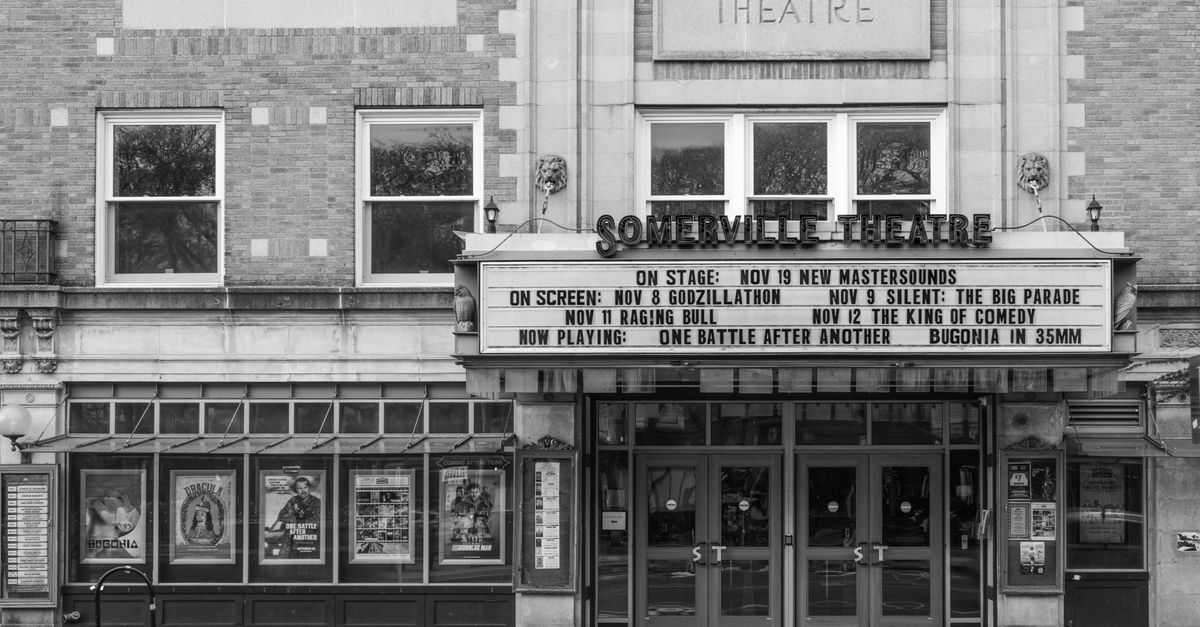
Local movie gatherings turn an ordinary screening into a shared experience. Instead of sitting silently among strangers in a giant theater, audiences can meet neighbors, support nearby businesses, and enjoy films in places with genuine character. A community hall, independent cinema, library, rooftop, or park can make the evening feel less like a transaction and more like a small cultural occasion. Even familiar films gain fresh energy when laughter, surprise, and conversation ripple through a room full of people who live nearby.
Advertisement
Finding Better Community Screenings
The best way to discover Better Local Movie Nights And Events is to look beyond major ticketing platforms. Check independent cinema websites, library calendars, neighborhood newsletters, arts organizations, university listings, and social media pages for local venues. Restaurants, breweries, bookstores, and cultural centers often host occasional screenings as well. Search by neighborhood rather than simply by city, since smaller events may use informal names that never appear in broad entertainment guides. Local film clubs can also provide reliable recommendations, especially for repertory films, documentaries, and international cinema.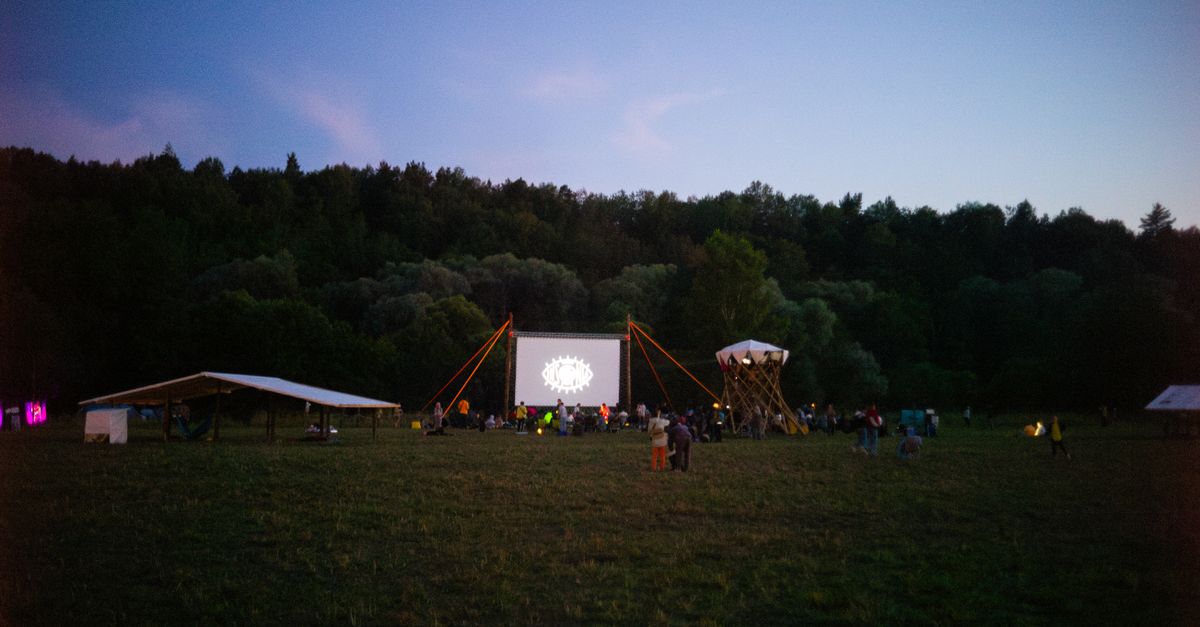
Advertisement
Choosing the Right Venue
A venue shapes the evening as much as the movie does. Independent theaters usually offer excellent projection and comfortable seating, while libraries and community centers may provide a more relaxed, family-friendly atmosphere. Outdoor screenings bring charm, but weather, insects, uneven ground, and nearby traffic can become supporting characters nobody invited. When comparing Better Local Movie Nights And Events, consider sightlines, sound quality, restroom access, parking, public transportation, and whether the location works for older guests or people with mobility needs.
Advertisement
Exploring Themes and Formats
Variety keeps local programming lively. A classic comedy can create an easygoing social night, while a documentary may lead naturally into a discussion with a filmmaker, historian, or community organizer. Some events pair films with live music, trivia, food tastings, costume contests, or short films from local creators. Better Local Movie Nights And Events often succeed because they offer a clear identity rather than trying to please everyone. A focused theme gives guests a reason to attend and helps organizers create a memorable atmosphere.
Advertisement
Planning an Enjoyable Evening
Good planning prevents small inconveniences from becoming the main feature. Confirm the start time, admission policy, seating arrangement, parking options, and whether food or drinks are permitted. Arriving early is especially useful at free events, where popular screenings may fill quickly. Bring a light layer for outdoor venues, but avoid anything that blocks another guest’s view. If children are attending, check the rating and expected runtime. For group outings, agree on a meeting point and backup plan before anyone begins wandering around like a missing cast member.
Advertisement
Supporting Local Creators
Community screenings can strengthen the local creative economy. Buying a ticket, ordering from the venue, or purchasing refreshments helps keep small organizations operating. Events featuring regional filmmakers offer an even closer connection between audiences and the people making the work. Better Local Movie Nights And Events may also include local sponsors, student productions, panel discussions, or fundraising partnerships. Supporting these additions does more than improve one evening; it encourages venues to take artistic risks and develop programming that reflects the character of the area.
Advertisement
Making Events Welcoming
A successful screening should feel open to more than the most enthusiastic film expert in the room. Clear descriptions help guests understand the film’s tone, language, runtime, and accessibility features. Captions, audio description, step-free access, reserved seating, and sensible lighting can make a significant difference. Organizers should also explain whether discussion is expected, optional, or limited to a separate portion of the evening. Better Local Movie Nights And Events are strongest when newcomers feel comfortable attending without needing a secret handbook or an advanced degree in cinema etiquette.
Advertisement
Hosting a Neighborhood Screening
Hosting a small screening requires attention to rights, equipment, and comfort. Organizers should confirm that they have permission to show the film publicly, then test the projector, speakers, power supply, and backup files well before guests arrive. A short welcome can explain the schedule, emergency information, and any discussion format without turning the introduction into a second feature. Simple touches such as labeled snacks, printed programs, warm lighting, and a clear closing time can make a modest gathering feel polished without making it expensive.
Advertisement
Building Conversation Afterward
The conversation after a film often becomes the most memorable part of the night. A host can prepare two or three accessible questions, such as which character changed most, what detail stood out, or how the story connects to local life. Avoid treating discussion as an examination with correct answers. Better Local Movie Nights And Events encourage different interpretations, including the perfectly respectable opinion that the ending made no sense. Informal conversation over coffee or dessert can help guests meet one another without forcing anyone into a formal debate.
Advertisement
Making the Experience Repeatable
Regular programming builds momentum. A monthly schedule gives people something dependable to anticipate, while rotating genres prevents the audience from becoming a club for one very specific kind of enthusiast. Collecting brief feedback can reveal practical improvements, such as better microphones, earlier start times, or more varied selections. Organizers can partner with schools, charities, local businesses, and film societies to broaden attendance. The goal is not constant spectacle; it is creating a welcoming rhythm that makes community cinema feel like part of everyday local life.
Advertisement
Conclusion
Discovering better neighborhood screenings begins with looking beyond mainstream listings and noticing the venues, groups, and organizers already active nearby. Thoughtful choices about films, accessibility, sound, seating, and hospitality can transform a simple screening into a meaningful social occasion. Supporting local venues and creators helps these gatherings grow stronger over time. With a little planning, movie night can become a reliable way to connect with both stories and neighbors.
Advertisement